
Guides
Comprehensive Sil and the Fading World beginner tips, boss strategies, class build guides, item database, and detailed walkthroughs for the dark world of Aritas.
Introduction
The Guides hub is your starting point for Sil and the Fading World, a challenging solo ARPG set in the dark world of Aritas. New players face a steep learning curve: choosing your starting class, understanding the soul crystal and relic systems, learning boss attack patterns, and managing your skill tree progression. These guides break the game into clear, ordered steps so your first sessions teach core mechanics instead of overwhelming you with every system at once.Every guide is written with the current meta in mind and cross-linked to the bosses, tier list and skill pages so you always find the next step.
Sil and the Fading World Progression Path
| Stage | Focus | Key Actions | Priority |
|---|---|---|---|
| First Hour | Choose Class & Combat | Pick a starting class, learn dodge timing and basic combos, explore the Darkwood surface | Survival |
| Early Game | Skill Tree & First Boss | Unlock skill tree nodes, acquire your first relic, prepare for the initial raid boss encounter | Strategy |
| Mid Game | Soul Crystals & Affinities | Boss essence collection, affinity optimization, deep dungeon exploration | Power Growth |
| Late Game | Abyss Dungeons & Crafting | Infinite scaling challenges, legendary crafting, perfect gear targeting | Min-Max |
Guide Path Cards
Beginner Foundation
First-hour progression covering class selection, combat basics, and early survival
Combat Mastery
Intermediate combat for advanced dodging, parry timing, and combo optimization
Lore and Secrets
Deep lore documents covering Aritas history and hidden collectibles
Resource Management
Crafting material economy for efficient farming and upgrade investment
Core Mechanics
Sil and the Fading World is a solo boss-raid ARPG where fluid melee combat meets strategic character progression. Enemies and bosses attack with telegraphed patterns — learning wind-ups, safe dodges and parry timing is the foundation of survival. Between encounters you invest in a 200+ node skill tree, collect relics that hold stolen boss powers through soul crystals, and deepen your build through crafting and gear enhancement. A player level system gates content progression, so early focus should balance skill practice with efficient exploration advancement. Identifying which investments pay off earliest prevents the common new player trap of wasting limited resources on low-impact items and skill nodes that provide minimal improvement for their cost. The cross-linked structure ensures that when a guide mentions a specific boss encounter, you immediately have access to the full attack pattern breakdown without switching contexts. Difficulty ratings on each guide let you select content appropriate for your current comfort level, avoiding the frustration of attempting advanced strategies before mastering foundational mechanics. We regularly revisit guides when the game incorporates significant balance changes to ensure recommendations remain accurate against the current meta at the time of reading.
Advantages
Following the Guides hub accelerates your mastery dramatically. Instead of guessing stat priorities or wasting skill points, you follow proven paths: choose a build direction early, invest points along coherent paths, craft gear around your chosen affinities, and learn boss patterns before attempting hardest tiers. Good guides also teach resource economy — which craft materials to farm, when to extract versus save soul crystals, and how to approach the Abyss dungeons with the right preparation rather than brute force. Cross-linking between guides, boss encounters, tier rankings, and skill pages ensures you always find the relevant next-step guide as your character progresses rather than having to search through disconnected resources. Reading boss attack pattern knowledge before attempting encounters eliminates the hours of trial-and-error deaths that blind approaches inevitably produce. Understanding crafting material economy prevents common mistakes like perfecting temporary items or extracting rare materials prematurely, saving both time and frustration. The structured progression path also reveals upgrade priorities that are not immediately obvious from casually experimenting with the skill tree and item systems independently.
Challenges
The main challenge in Sil and the Fading World is the steep difficulty curve — multi-phase bosses punish imprecise dodging and poor build planning. Individual fight attempts demand full attention and quick reflex adaptation. Additionally, crafting materials can feel scarce early on, and without targeted farming you may delay your best upgrades for hours. Finally, the Abyss dungeons scale infinitely, meaning even optimized builds eventually require pure mechanical skill to progress. Guide quality depends entirely on the meta knowledge of the authors at the time of writing. Balance patches can unexpectedly nerf recommended builds or buff previously overlooked alternatives without the guide being immediately updated to reflect these changes. Individual playstyle preferences — whether you favor aggressive burst damage or slow tanky sustain — may make generic recommendations feel mechanically uncomfortable, and blindly following a guide that clashes with your natural instincts often underperforms versus an imperfect but comfortable self-directed build. Additionally, the relatively small author pool means some niche build archetypes lack dedicated guides, requiring you to theory-craft your own path using the build framework principles provided in the general guides.
Frequently Asked Questions
How do I get started in Sil and the Fading World?+
Which class should I pick first?+
How important are relics and soul crystals?+
Can I respec my character?+
Quick Tips
Always practice boss encounters on normal difficulty before attempting higher tiers. Learning attack patterns while the stakes are low saves hours of frustration later when one mistake can kill your run entirely. — Practice boss encounters on standard difficulty settings to internalize attack pattern muscle memory before escalating to higher tiers. The low-stakes practice environment builds reflexive responses that prevent costly deaths when a single failed dodge or mistimed parry can instantly end your entire dungeon run attempt and waste substantial invested time.
Invest early in one coherent skill branch rather than spreading points thinly. A focused build with strong synergy outperforms scattered generalist points in early progression difficulty. — Concentrate your early skill tree investments into a single coherent branch that matches your chosen affinity direction. A focused build with strong internal synergies dramatically outperforms scattered generalist allocations thanks to multiplicative bonuses between related skill nodes.
Collect all hero graves and hidden relics during your surface exploration pass — backtracking later wastes time better spent farming bosses or pushing dungeons. — Methodically collect all hero graves and complete hidden relic exploration during your initial complete surface area pass rather than backtracking later when farming momentum matters more. Permanent stat upgrades from grave pickups compound your character power across every subsequent dungeon attempt you will ever make.
Craft utility items first (potion capacity, travel speed) before offensive crafting. QoL improvements compound throughout the entire run. — Prioritize crafting utility-enhancing items targeting potion capacity increases and movement speed bonuses before investing in offensive crafting materials. Quality-of-life improvements apply compound benefits across every minute you spend playing, while offensive upgrades can be acquired progressively as material drops accumulate.
Featured

Sil and the Fading World beginner guide and first steps
Start strong with this Sil and the Fading World beginner guide covering class picks, first hour tips, combat basics, dungeon runs, and early mistakes to avoid.
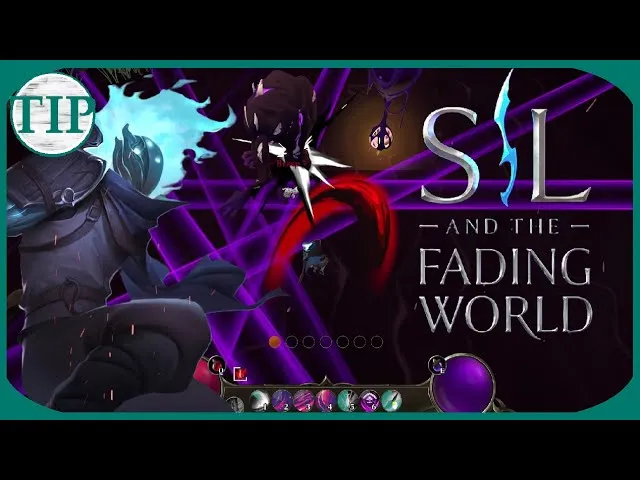
Sil and the Fading World combat tips and skill rotations
Master Sil and the Fading World combat tips through deep dodge timing, parry windows, skill combos, and stamina management that separate the living from the dead.

Sil and the Fading World hero grave locations guide
Find every hero grave with this Sil and the Fading World guide covering all hidden hero grave locations, fate nodes in Darkwood, and secret dungeon branches.
All Articles

Sil and the Fading World pve guide and endgame
Dominate every challenge with this Sil and the Fading World PvE guide covering dungeon clears, boss kill strategies, abyss scaling, and endgame build priorities.

Sil and the Fading World lore explained and story recap
Unravel every mystery with this Sil and the Fading World lore explained guide covering Aritas history, underworld gods, hero backstories, and ending implications.

Sil and the Fading World new player mistakes to avoid
Avoid the costliest Sil and the Fading World new player mistakes, from wasted skill points to skipped gear prep, and lock in a strong early build from minute one.

Sil and the Fading World resource management strategy guide
Streamline Sil and the Fading World resource management with inventory tips, crafting priorities, and a clear breakdown of which starting class fits your playstyle.
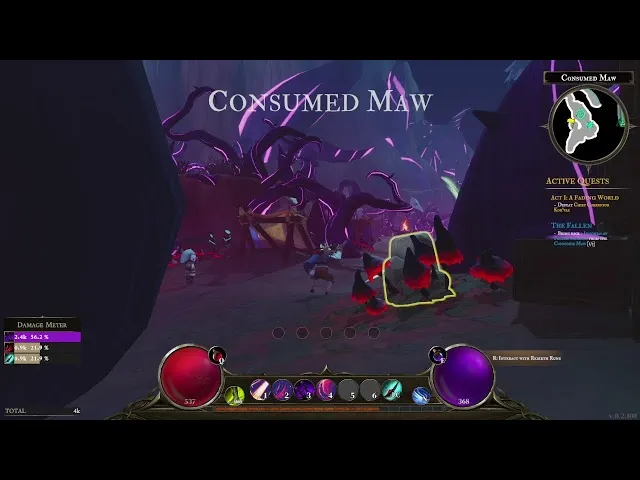
Sil and the Fading World stats explained and optimized builds
Decode Sil and the Fading World stats explained with a clear breakdown of each attribute, how progression gates hidden areas, and which NPC quests reward the best.
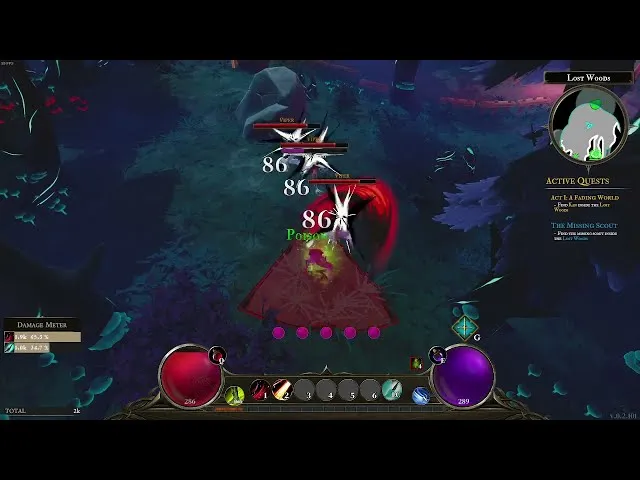
Sil and the Fading World how to respec skills and stats
Learn how to respec in Sil and the Fading World with this complete skill reset guide covering Sil and the Fading World skill swap timing and stat reallocation.

Sil and the Fading World secrets and collectibles guide
Uncover Sil and the Fading World secrets and collectibles with a full checklist of hidden areas, efficient farming routes, and the parry and dodge cues you need.